Phone:
(508) 364-8413
Email address:
primeoutdoorlivinginc@gmail.com




When you’re standing in front of two siding samples, the difference might not jump out at you immediately. But these materials couldn’t be more different in composition and performance. Fiber cement siding is made from a mixture of cement, sand, and cellulose fibers. This combination creates a dense, heavy material that mimics the look of wood without the rot issues. Vinyl siding, on the other hand, is extruded from polyvinyl chloride (PVC) plastic, making it lightweight and available in dozens of factory colors.
The weight difference tells you a lot. A single fiber cement plank can weigh 2.5 pounds per square foot, while vinyl weighs less than one pound. That density gives fiber cement superior impact resistance. When a branch falls during a nor’easter or hail pelts your home, fiber cement typically holds up better. Vinyl can crack in cold weather or dent from impacts, though quality products have improved significantly.
Appearance is another major distinction. Fiber cement can be painted any color and holds texture beautifully, whether you want a smooth finish or deep wood grain. Vinyl comes pre-colored, which means no painting required, but the color goes all the way through. That’s helpful if it gets scratched, since you won’t see a different color underneath. However, darker vinyl colors can fade over time from UV exposure, especially in bright coastal sunlight that West Yarmouth homes face year-round.
Living near the water in Barnstable County means your siding faces challenges most inland homes never see. Salt air is relentless. It creeps into every crevice and accelerates corrosion on metal fasteners, paint breakdown, and material degradation. This is where fiber cement really shines. It’s non-corrosive, won’t rot, and is resistant to salt damage. The material is also rated as non-combustible, which provides an extra layer of protection during dry summer months when fire risk increases.
Vinyl handles salt air reasonably well since it’s plastic and doesn’t corrode. However, extreme temperature swings common on Cape Cod can cause problems. Vinyl expands in heat and contracts in cold. If it wasn’t installed with proper spacing to allow movement, you might see buckling in summer or cracks in winter. Quality installation matters tremendously with vinyl. Fiber cement doesn’t expand and contract nearly as much, so it’s more forgiving during installation and performs more consistently across seasons.
Wind-driven rain is another factor. Both materials shed water when properly installed, but fiber cement’s density and weight make it less likely to allow water intrusion behind the siding during severe coastal storms. We’ve seen homes after hurricanes where fiber cement stayed firmly attached while vinyl panels pulled loose. The structural integrity of fiber cement gives homeowners more confidence when storm warnings come through, which happens several times each year along the Cape.
Let’s talk numbers, because cost drives many decisions. Vinyl siding typically runs between four and seven dollars per square foot installed for mid-grade products. Fiber cement costs more upfront, usually ranging from eight to twelve dollars per square foot installed. For an average 2,000-square-foot home, you’re looking at roughly eight to fourteen thousand for vinyl versus sixteen to twenty-four thousand for fiber cement. That’s a significant difference that makes vinyl attractive for budget-conscious homeowners.
However, looking only at installation cost misses the bigger picture. Fiber cement lasts 50 years or more with proper maintenance, while quality vinyl typically lasts 20 to 30 years before replacement becomes necessary. Fiber cement also adds more to resale value. Real estate appraisers in coastal markets recognize fiber cement as a premium material, and buyers often prefer it, knowing it will require less maintenance and hold up better in harsh conditions.
There’s also the repainting factor. Vinyl never needs painting, though faded panels might need replacement. Fiber cement requires repainting every 10 to 15 years, which adds to lifetime costs. A professional paint job for a 2,000-square-foot home runs three to six thousand dollars. Over 30 years, you might repaint twice, adding six to twelve thousand to your total investment. Even with repainting costs, many homeowners find fiber cement worth it for the durability and curb appeal. When we install fiber cement siding for clients in West Yarmouth and surrounding areas, we walk through these cost projections so homeowners can make informed decisions based on how long they plan to stay in their homes.
Maintenance is where vinyl siding earns its reputation for convenience. You can wash it with a garden hose and mild detergent once or twice a year, and that’s essentially it. No painting, no scraping, no priming. If a panel gets damaged, replacement is straightforward though matching the color on older vinyl can be tricky due to fading. Mildew can grow on vinyl in shaded, damp areas, which are common in wooded Cape Cod neighborhoods. A solution of water and vinegar or specialized siding cleaner takes care of it, but you’ll need to stay on top of it in humid months.
Fiber cement demands more attention. It needs repainting every decade or so to maintain its protective finish and appearance. The good news is that quality paint adheres extremely well to fiber cement, and the material doesn’t warp or buckle, so paint lasts longer than it does on wood. You should inspect caulking and seams annually and touch up any areas where paint has chipped, particularly around windows and doors where water exposure is higher. This prevents moisture from penetrating the material.
Repairs differ significantly between the two. Vinyl panels interlock, so replacing one damaged section often means removing several surrounding panels. Fiber cement planks are individually nailed, making single-board replacement simpler from a structural standpoint, though you’ll need to repaint the new board to match. Both materials resist termites and woodpeckers, which is a relief compared to traditional wood siding. The ongoing maintenance commitment with fiber cement is higher, but many homeowners appreciate having control over the color and finish, allowing them to refresh their home’s look every decade without full replacement.
So which material is right for your home? Start by asking yourself a few key questions. How long do you plan to live in your home? If you’re planning to stay for decades, fiber cement’s longevity and durability make sense. If you’re looking for a shorter-term solution or planning to sell within ten years, vinyl’s lower upfront cost might be more practical. What’s your maintenance preference? If you’d rather avoid the hassle and cost of repainting, vinyl is the clear winner. If you want the flexibility to change colors and don’t mind periodic maintenance, fiber cement offers more control.
Consider your home’s style and neighborhood too. Fiber cement can replicate traditional Cape Cod shingle siding or clapboard beautifully, blending with historic architecture. Vinyl works well for more contemporary homes or situations where matching existing siding is necessary. Both materials come in various profiles and textures, but fiber cement typically offers more authentic-looking options, especially for wood-grain textures.
Budget is obviously a factor, but try to think beyond the initial price tag. Calculate the total cost of ownership over 20 or 30 years, including maintenance, repainting, and potential replacement. Also factor in how much value each material adds to your home. In desirable coastal areas like Dennis, Chatham, and Harwich, fiber cement can be a selling point that justifies a higher asking price.
At Prime Outdoor Living, we install both fiber cement and vinyl siding throughout Cape Cod, and we’re happy to walk you through samples, discuss installation timelines, and provide transparent estimates for your specific home. Every property is different, and there’s no one-size-fits-all answer. Ready to make a decision that protects your home for years to come? Get in touch for a free consultation and let’s figure out the best solution for your needs.
Keep Reading
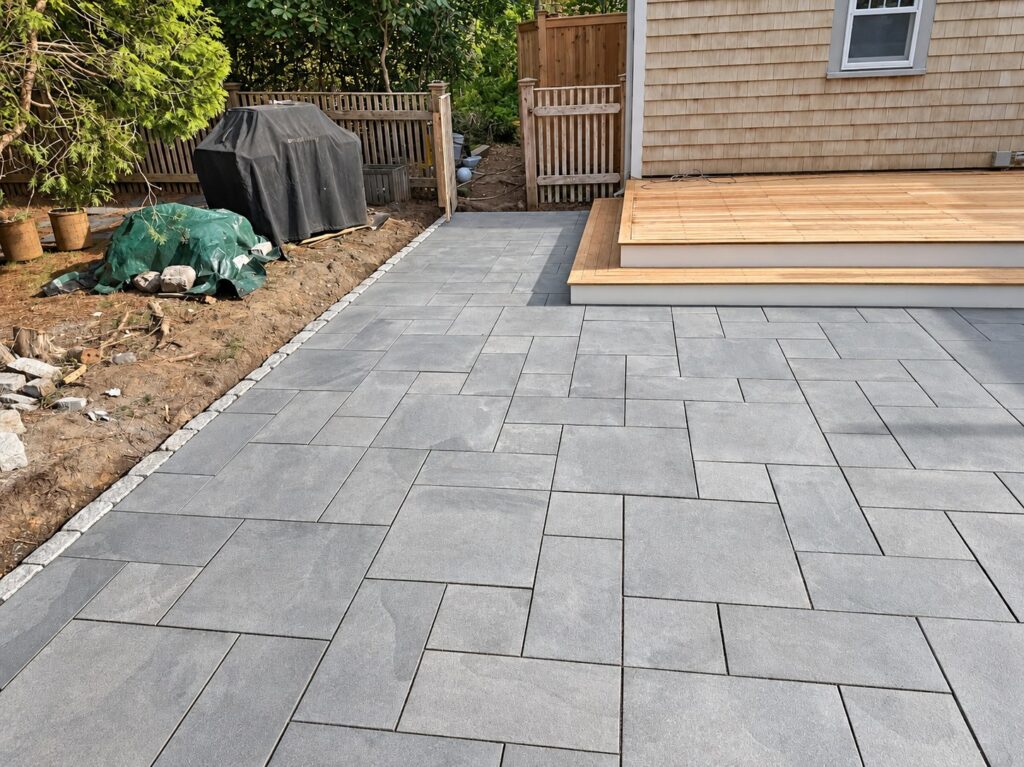
Materials, layout, plantings, furnishings and maintenance tips for designing a patio that works for Cape Cod living.
Read More →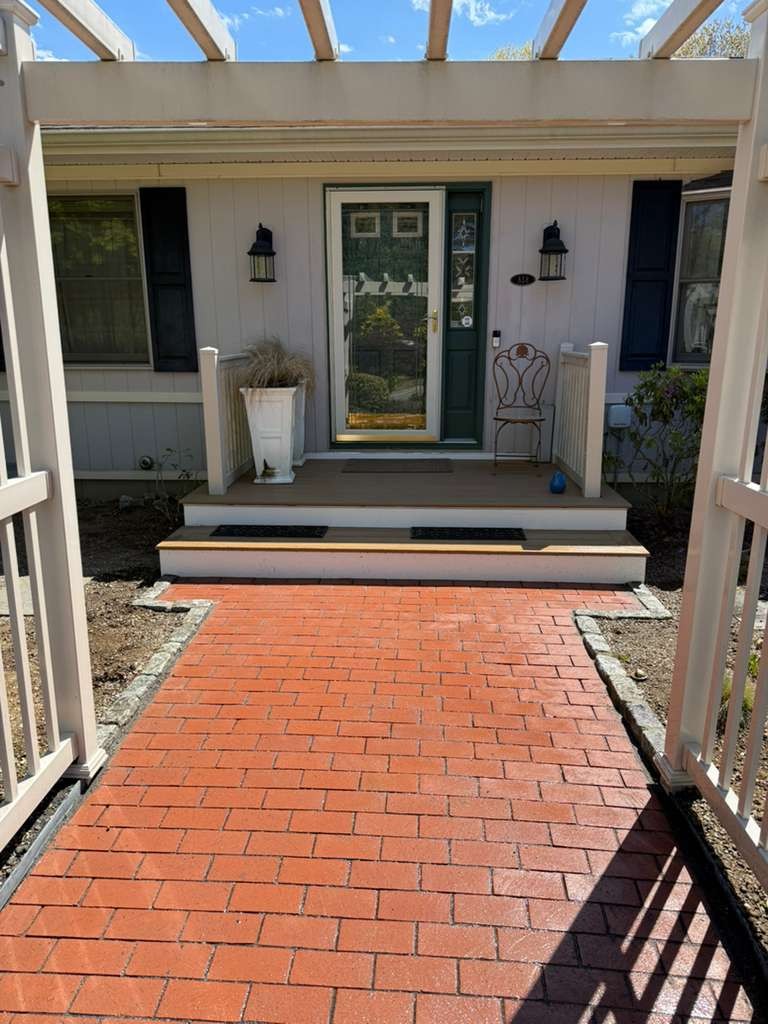
Compare porches and decks for Cape Cod homes, including cost, materials, maintenance and how each space fits the way you live.
Read More →Call to discuss decks, outdoor showers, patios, hardscapes, lawn care, seasonal cleanup and select home improvement services throughout Cape Cod.

(508) 225-5502

West Yarmouth, MA

Mon - Fri: 8:00 AM - 5:00 PM
Sat: 9:00 AM - 1:00 PM

primeoutdoorlivinginc@gmail.com
We Are on Social

Privacy Policy