Phone:
(508) 364-8413
Email address:
primeoutdoorlivinginc@gmail.com




When planning your outdoor living area on Cape Cod, material selection becomes critical due to the coastal environment. Salt air, moisture, and temperature fluctuations demand surfaces that can withstand these challenges while maintaining their appearance year after year.
Natural stone options like bluestone and granite offer exceptional durability and timeless appeal. These materials resist moisture absorption and handle freeze-thaw cycles effectively, making them ideal for the Cape Cod climate. Their natural texture also provides slip resistance, which is particularly important during wet conditions or morning dew.
Concrete pavers present another versatile choice , available in numerous colors, shapes, and finishes. Modern manufacturing techniques have elevated pavers beyond basic utility, offering designs that mimic natural stone while providing easier installation and repair options. Permeable pavers add the benefit of improved drainage, reducing water pooling and directing runoff away from your home’s foundation.
Brick creates classic charm that complements traditional Cape Cod architecture. This material ages gracefully, developing character over time while maintaining structural integrity. When properly installed with appropriate base preparation and joint sand, brick surfaces can last decades with minimal maintenance.
Composite decking materials have evolved significantly , now offering wood-like aesthetics without the constant upkeep traditional wood requires. These products resist fading, splintering, and moisture damage while requiring only occasional cleaning to maintain their appearance.
The decision ultimately depends on your aesthetic preferences, budget, and how the surface integrates with your home’s existing architecture. Prime Outdoor Living West Yarmouth, MA brings extensive experience helping Cape Cod homeowners select and install materials that perform beautifully in coastal conditions. Their understanding of local environmental factors ensures your investment delivers lasting value and enjoyment.
A successful outdoor area begins with thoughtful consideration of how you’ll actually use the space. Rather than simply copying designs from magazines or online sources, think about your specific habits, entertainment style, and daily routines.
Start by identifying your primary activities. Do you envision quiet morning coffee rituals, lively summer gatherings with extended family, or intimate dinner parties under the stars? Each scenario requires different spatial arrangements and features. A dining-focused design needs adequate room for a table, chairs, and circulation space for serving, while a lounging-oriented layout prioritizes comfortable seating arrangements with convenient side tables.
Traffic flow deserves careful attention during the planning phase. Create clear pathways between your home’s exits, the outdoor living area, and other yard features like gardens or play areas. Avoid designs that force guests to navigate around furniture or squeeze through tight spaces. A minimum of three feet for walkways ensures comfortable movement, while four feet accommodates two people walking side by side.
Zoning separates different functional areas within larger spaces. You might dedicate one section to cooking and dining while reserving another for conversation and relaxation. Low walls, planters, or changes in surface material can define these zones without creating visual barriers that make the space feel choppy.
Consider sun exposure throughout the day and across seasons. West Yarmouth experiences strong afternoon sun during summer months, which can make unshaded spaces uncomfortable. Track where shadows fall at different times, and plan seating areas accordingly. You can incorporate pergolas, umbrellas, or shade sails to create relief from direct sunlight while maintaining an open, airy feeling.
Drainage patterns matter more than many homeowners initially realize. Cape Cod receives substantial rainfall, and improper grading can transform your outdoor retreat into a puddle-filled disappointment. The surface should slope gently away from your home, typically at a rate of one-quarter inch per foot, directing water toward appropriate drainage areas.
Scale and proportion prevent designs from feeling either cramped or disconnected from the home. Match the outdoor area’s size to your lot dimensions and house footprint. A massive installation can overwhelm a modest home, while an undersized space looks like an afterthought. Generally, allocating about 20 to 30 percent of your backyard to hardscaping creates balanced outdoor living without consuming your entire yard.
Landscaping transforms hardscaping from sterile construction into inviting outdoor environments. Thoughtful plant selection and placement soften hard edges, add color and texture, and create privacy while connecting your outdoor space to the broader landscape.
Perimeter plantings establish boundaries and screen unwanted views. Evergreen shrubs like inkberry holly or Japanese pieris provide year-round greenery while requiring minimal maintenance. These foundation plantings create backdrop layers that make furniture and decorative elements stand out visually.
Container gardens offer flexibility that in-ground plantings cannot match. You can rearrange pots to refresh the space, move frost-sensitive plants indoors during cold months, and experiment with different combinations without permanent commitment. Containers also solve challenges when working with existing surfaces, allowing you to add greenery without excavation or structural modifications.
Incorporating native plants reduces maintenance while supporting local ecosystems. Beach plum, bayberry, and rugosa roses thrive in Cape Cod’s sandy soil and tolerate salt exposure. These species evolved to handle local conditions, requiring less watering, fertilizing, and pest management than non-native alternatives.
Vertical elements add dimension and draw the eye upward. Climbing hydrangea, clematis, or climbing roses on trellises, pergolas, or arbors create living walls that provide shade, privacy, and seasonal interest. These vertical plantings maximize greenery in smaller yards where horizontal space is limited.
Edging details create clean transitions between hardscape and landscape. Installing a border of river stones, decorative gravel, or low groundcovers defines edges while preventing grass and weeds from encroaching onto your surface. This boundary also simplifies lawn maintenance by eliminating the need to trim along irregular edges.
Lighting extends usability into evening hours while highlighting landscape features. Low-voltage path lights ensure safe navigation, while uplighting showcases architectural trees or sculptures. String lights suspended overhead create ambient warmth that transforms ordinary gatherings into special occasions.
Seasonal color keeps the space engaging throughout the year. Spring bulbs, summer perennials, fall ornamental grasses, and winter berries ensure something always catches the eye. This succession of interest prevents the outdoor area from looking static or neglected during off-peak months.
Once the structural foundation is established, furnishings and accessories transform functional space into an outdoor room that reflects your personal style and enhances comfort.
Seating choices set the tone for how people interact in your outdoor environment. Deep lounge chairs encourage relaxation and lengthy conversations, while dining sets facilitate meals and game nights. Modular seating offers adaptability, allowing you to reconfigure arrangements based on gathering size and purpose. When selecting furniture, prioritize weather-resistant materials like powder-coated aluminum, all-weather wicker, or marine-grade fabrics that withstand coastal humidity and salt exposure.
Outdoor rugs anchor seating areas and add color, pattern, and texture underfoot. These accessories define conversation zones within larger spaces and provide visual warmth that contrasts with hard surface materials. Modern outdoor rugs resist fading, mildew, and moisture while being easy to clean with simple hosing.
Fire features create focal points while extending seasonal use. Fire pits and fireplaces make cool Cape Cod evenings comfortable, allowing you to enjoy outdoor spaces well into fall and even mild winter days. Gas-fueled options offer convenience with push-button ignition, while wood-burning alternatives provide traditional ambiance with crackling sounds and smoky aroma.
Cooking elements transform outdoor areas into fully functional living spaces. Built-in grills, outdoor kitchens, or simple portable cooking stations reduce trips inside during gatherings. Even modest additions like a side burner or warming drawer significantly enhance entertaining capabilities. Consider storage for utensils, serving pieces, and cooking supplies to keep everything conveniently accessible.
Shade structures protect against sun exposure while adding architectural interest. Pergolas provide partial shade and support for climbing plants or retractable canopies. Freestanding umbrellas offer portable shade that moves with the sun, while permanent roof structures create all-weather protection for year-round enjoyment.
Water features introduce soothing sounds that mask neighborhood noise and create tranquil atmospheres. Fountains, bubbling urns, or small ponds add sensory richness without requiring extensive maintenance. Recirculating systems minimize water consumption while providing continuous movement and sound.
Decorative accents personalize the space and express your aesthetic preferences. Outdoor artwork, sculptural elements, decorative pillows, and seasonal decorations prevent the area from feeling generic. These finishing touches make outdoor rooms feel as intentional and curated as interior spaces.
Proper maintenance preserves your outdoor investment and ensures it continues delivering enjoyment for decades. Establishing simple routines prevents minor issues from becoming costly repairs while keeping the space looking its best.
Regular cleaning removes debris, prevents staining, and maintains surface integrity. Sweep or blow off leaves, pine needles, and dirt weekly to prevent organic matter from breaking down and creating discoloration. For deeper cleaning, use appropriate products based on your surface material. Natural stone benefits from pH-neutral cleaners that won’t etch the surface, while concrete and pavers tolerate slightly more aggressive solutions for stubborn stains.
Joint sand replenishment maintains stability in paver installations. Sand between pavers prevents shifting and inhibits weed growth. Over time, rain and wind erode this material, creating gaps that compromise the installation. Reapplying polymeric sand every few years keeps everything locked in place while preventing ant colonies from establishing beneath the surface.
Sealing protects porous materials from moisture penetration, staining, and freeze-thaw damage. Most natural stone and concrete surfaces benefit from sealing every two to three years. This protective barrier makes cleaning easier while extending material lifespan. Always clean thoroughly before sealing to avoid trapping dirt and stains beneath the protective layer.
Drainage monitoring prevents water damage and foundation issues. After heavy rains, inspect how water moves across and away from your outdoor area. Pooling indicates grading problems or clogged drains that need attention. Address drainage issues promptly before water infiltrates beneath the surface, causing settlement or frost heaving.
Furniture care varies by material but generally involves regular cleaning and seasonal storage or covering. Cushions should be brought inside or stored in waterproof containers during winter months to prevent mildew and deterioration. Metal furniture benefits from annual inspection for rust spots, which should be treated immediately to prevent spreading.
Winter preparation protects against harsh New England weather. Cape Cod winters bring freeze-thaw cycles that can damage improperly maintained surfaces. Ensure drainage systems are clear before winter arrives, avoid using metal shovels that can scratch or chip surfaces, and select ice-melting products carefully since some chemicals damage certain materials.
Professional inspections identify potential issues before they become serious problems. Having qualified contractors assess your outdoor space every few years provides peace of mind and can reveal hidden concerns like subsurface erosion or structural weakening. Prime Outdoor Living West Yarmouth, MA offers maintenance guidance and services that help Cape Cod homeowners protect their outdoor investments. Their familiarity with how coastal conditions affect various materials and installations ensures your space remains beautiful and functional throughout changing seasons and years of use.
Keep Reading
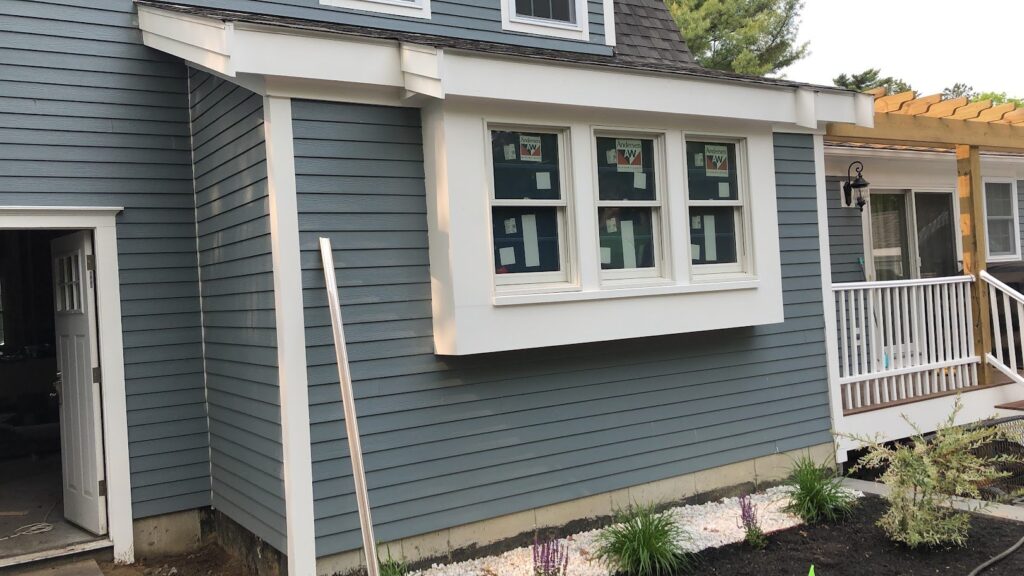
How fiber cement and vinyl siding compare on Cape Cod: durability against salt air and storms, cost, maintenance and long-term value.
Read More →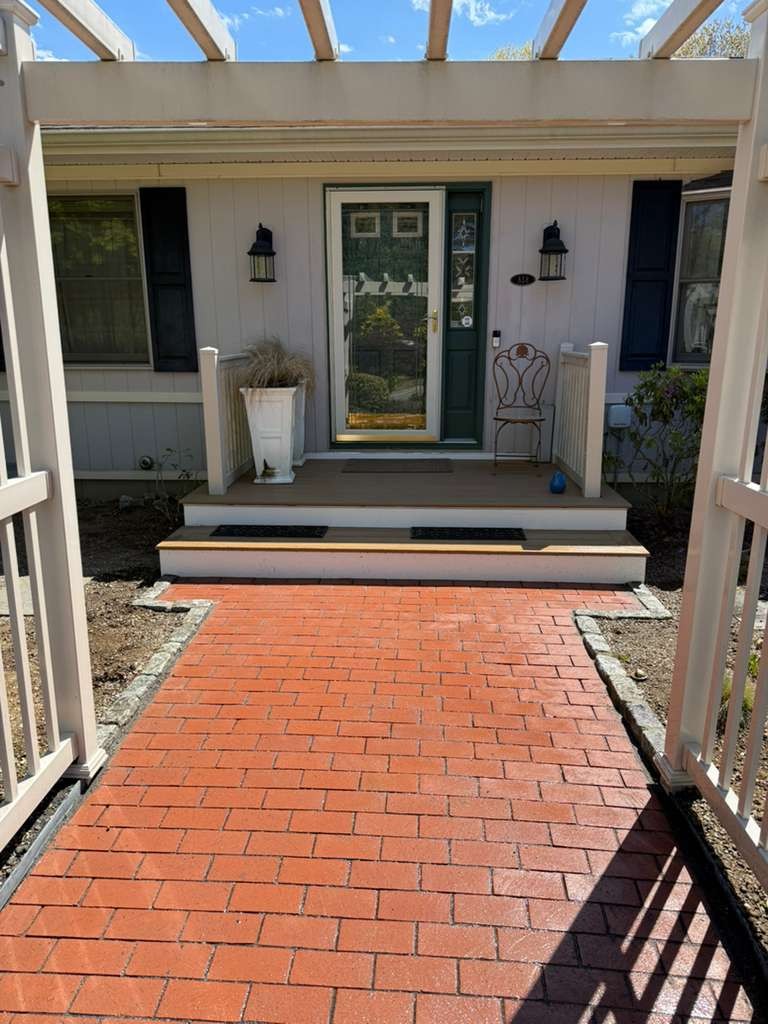
Compare porches and decks for Cape Cod homes, including cost, materials, maintenance and how each space fits the way you live.
Read More →Call to discuss decks, outdoor showers, patios, hardscapes, lawn care, seasonal cleanup and select home improvement services throughout Cape Cod.

(508) 225-5502

West Yarmouth, MA

Mon - Fri: 8:00 AM - 5:00 PM
Sat: 9:00 AM - 1:00 PM

primeoutdoorlivinginc@gmail.com
We Are on Social

Privacy Policy